ChatGPT vs Perplexity: Which for Research in 2026?
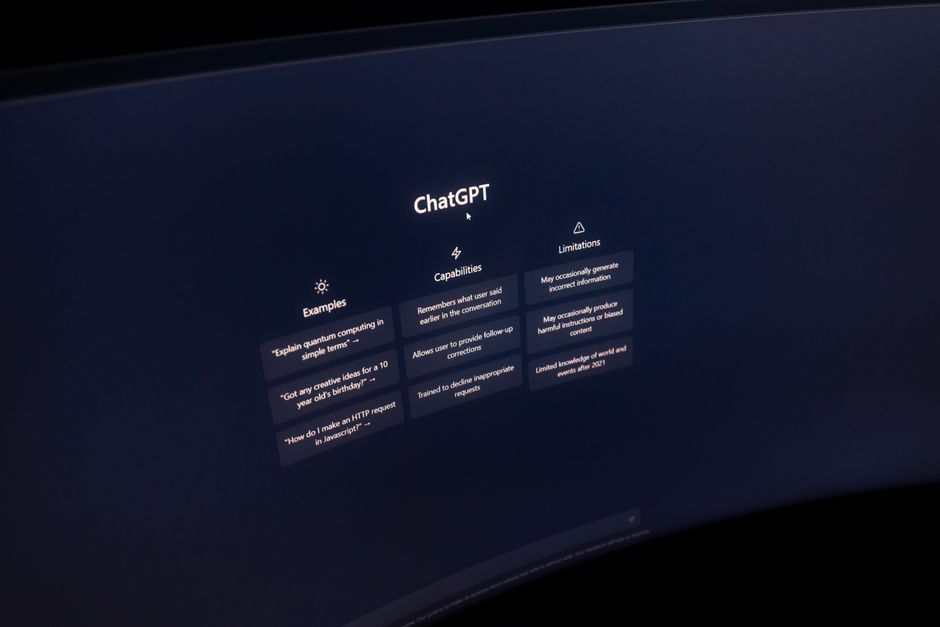
If your work involves gathering facts, checking sources, and turning scattered information into something trustworthy, you've probably wondered which AI tool deserves a spot in your daily workflow. In 2026, the two names that come up most often are ChatGPT and Perplexity. They overlap, but they were built with different priorities — and that difference matters a lot when your reputation depends on getting facts right.
This is a practical, no-code comparison written for professionals, students, and small-business owners who need to research, cite, and fact-check without touching a line of programming.
The core difference in one sentence
ChatGPT is a reasoning and writing assistant that can search the web; Perplexity is a search-and-answer engine that shows its sources by default. That single distinction explains most of what follows.
How each one approaches a question
When you ask Perplexity something, it treats your query like a search. It pulls from live web sources, summarizes them, and attaches numbered citations inline so you can click through and verify each claim. The answer is designed to point outward — toward the sources.
ChatGPT, by contrast, leans on its trained knowledge first and reaches out to the web when it decides the question needs current information. It's stronger at reasoning through a problem, restructuring an argument, drafting long documents, and holding a nuanced back-and-forth conversation. The answer is designed to be self-contained.
Head-to-head: what matters for research
Citations and source transparency
This is Perplexity's home turf. Every answer comes with visible citations, and you can quickly see whether a claim rests on a reputable outlet or a random forum post. For anyone who has to defend their facts — journalists, analysts, students writing papers, business owners making decisions — this transparency is genuinely valuable.
ChatGPT can provide sources when it searches the web, and it will cite them, but citations aren't as consistently front-and-center. You sometimes have to prompt it explicitly: "Search the web and give me sources for every claim." When it relies on trained knowledge without searching, there are no live sources at all — which is a trap if you assume everything it says is verified.
Fact-checking reliability
Both tools can produce confident-sounding errors, so neither replaces human judgment. But Perplexity's structure makes fact-checking faster because verification is built into the interface. With ChatGPT, you get better reasoning about whether something makes sense, but you carry more responsibility to confirm the underlying facts yourself.
A practical rule: use Perplexity when you need to know whether something is true and where it came from; use ChatGPT when you need to understand, explain, or argue about something.
Depth of reasoning and writing
ChatGPT wins here. If you need to synthesize ten sources into a coherent report, draft a client proposal, rewrite a section in a different tone, or work through a complex trade-off, its writing and reasoning are more polished and flexible. It handles long, evolving conversations better and remembers the thread of what you're building.
Perplexity can write summaries and short pieces, but it's optimized for answering questions rather than crafting extended, structured documents.
Handling current events
Perplexity is built for freshness — it's naturally strong at "what happened this week" questions because searching is its default mode. ChatGPT handles current events well too when it searches, but you should confirm it actually searched rather than answering from memory. If timeliness is critical, phrase your prompt to force a live lookup.
Working with your own documents
Both let you upload files and ask questions about them. ChatGPT tends to be more capable at deep analysis of a long document — pulling themes, comparing sections, drafting summaries in your voice. Perplexity is handy for quick fact extraction and cross-referencing a document against live web sources.
Real-world scenarios
The student writing a research paper
Start in Perplexity to map the landscape and collect credible sources with citations you can chase down and cite properly. Then move to ChatGPT to outline your argument, refine your thesis, and tighten your prose. Always verify citations at the original source — never cite an AI summary as your source.
The small-business owner making a decision
Use Perplexity for market data, competitor information, and current pricing where source transparency protects you. Use ChatGPT to reason through the decision — weighing pros and cons, drafting the email to your team, and modeling different scenarios.
The professional preparing a report
Gather and verify facts in Perplexity, then hand the verified material to ChatGPT to structure, draft, and polish the final document. This two-tool workflow is often better than forcing either tool to do everything.
A quick decision guide
Choose Perplexity when: you need cited sources, you're checking whether a claim is true, you're researching recent events, or you want fast answers you can verify.
tChoose ChatGPT when: you need to write, reason, brainstorm, restructure ideas, analyze your own documents in depth, or have an extended working conversation.
Use both when: the stakes are high. Research and verify in one, then draft and refine in the other. Many effective researchers in 2026 keep both open.
Habits that keep you accurate with either tool
The tool matters less than how you use it. A few habits protect you regardless of which you pick:
Always ask for sources and actually click them. A citation you don't check is just a suggestion.
Cross-check anything consequential across at least two independent sources — especially numbers, dates, and quotes.
Watch for confident hallucinations. Both tools can invent plausible details. Treat surprising or oddly specific claims with extra suspicion until verified.
Cite the original, not the AI. The AI is a starting point; the primary source is what you reference.
Learn to write precise prompts. Telling the tool exactly what you want — "summarize with citations," "compare these two viewpoints," "only use sources from the last six months" — dramatically improves results.
The bottom line for 2026
There's no single winner in the ChatGPT vs Perplexity debate — they solve different halves of the research problem. Perplexity is the better finder and verifier. ChatGPT is the better thinker and writer. Professionals who understand this pairing get more accurate, faster, and more defensible work than people loyal to just one. The real skill isn't picking a tool; it's knowing which job each one does best and building a workflow that keeps a human firmly in charge of the facts.
Ready to build real AI skills? Join the September 2026 cohort at Class For Jobs. Explore AI for Everyday Use — a practical, no-code course to get more done with AI every day, live and instructor-led with career support, resume help, and job-placement assistance.
Related reading