AI Habit Trackers: Stay Consistent Without Willpower
Most habit-tracking advice assumes you have unlimited willpower. You don't. Neither do professionals juggling deadlines, students cramming for exams, or small-business owners wearing five hats at once. The good news in 2026 is that you no longer have to rely on grit alone. A new generation of AI habit trackers can nudge you at the right moment, log your progress with little effort, and quietly adjust your goals when life gets messy.
This guide explains how these tools actually work, what to look for, and how to set one up even if you've never written a line of code.
Why Willpower Fails and AI Helps
Willpower is a limited resource. It drains as the day goes on, which is why good intentions at 7 a.m. collapse by 9 p.m. Traditional habit apps put the entire burden on you: remember to open the app, remember to check the box, remember to restart after you miss a day.
AI shifts that burden. Instead of relying on you to remember, an AI habit tracker uses signals from your calendar, phone, and past behavior to reduce friction. It answers three questions automatically:
1. When should I be reminded?
Generic reminders fire at fixed times and get ignored. AI-driven reminders learn when you actually follow through. If you consistently meditate after your morning coffee but skip evening sessions, the system stops nagging at 9 p.m. and reinforces the moment that already works.
2. How do I log this without effort?
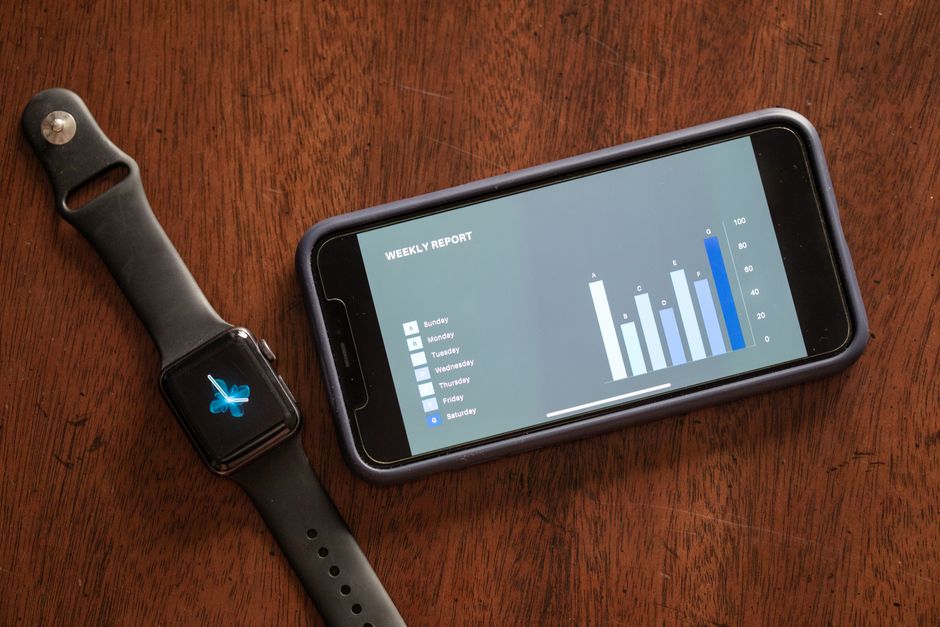
The best trackers minimize manual entry. Many now connect to wearables, fitness apps, and calendars so a completed workout or a focused work block gets logged automatically. Some let you log by voice or a quick text message instead of tapping through menus.
3. What happens when I fall behind?
This is where AI shines. Rather than resetting your streak to zero and crushing your motivation, adaptive trackers can recalibrate. If you missed three workouts this week, the system might suggest a shorter, more achievable target instead of demanding you "catch up."
How AI Habit Trackers Actually Work
You don't need to understand machine learning to use these tools, but a basic mental model helps you trust them.
Pattern detection: The app records when you complete or skip a habit and looks for correlations. It might notice you rarely journal on days with early meetings, or that you exercise more consistently on weekends.
Smart nudges: Based on those patterns, the system times reminders for moments you're most likely to act. Some tools use natural-language messages generated by a language model, so the nudge feels like a supportive note rather than a robotic alarm.
Adaptive goals: Instead of static targets, the tracker adjusts difficulty. Hit your goal easily for two weeks? It gently raises the bar. Struggling? It lowers the threshold so you keep the streak alive and stay motivated.
Reflection summaries: Many 2026 apps generate weekly written recaps that highlight what worked and where you slipped, turning raw data into plain-language coaching.
What to Look for in a 2026 AI Habit Tracker
Not every app labeled "AI" earns the name. Use this checklist before committing.
Genuine automation, not just a chatbot bolted on
A quality tool should automate logging and timing, not just add a conversational interface to a manual tracker. Ask yourself: does this reduce the number of taps in my day, or add more?
Integrations that match your life
Look for connections to the tools you already use, such as your calendar, a wearable, or a fitness platform. The fewer places you have to enter data, the more likely you are to stay consistent.
Privacy you can verify
Habit data is personal. Check whether the app processes data on your device or in the cloud, whether it sells data, and whether you can export or delete everything. Favor tools with clear, readable privacy policies.
Flexibility over rigidity
Life is unpredictable. The best trackers let you pause habits, schedule around travel, and recover from missed days without punishing you.
A Simple Setup for Non-Coders
You can build an effective system in under an hour. Here's a practical approach.
Step 1: Pick two or three keystone habits
Resist the urge to track ten things. Choose habits that trigger positive ripple effects, such as a daily walk, a focused deep-work block, or a consistent sleep window. Fewer habits mean cleaner data and better AI suggestions.
Step 2: Connect your existing tools
Link your calendar and any wearable first. This lets the tracker log activity automatically and understand your daily rhythm without extra input from you.
Step 3: Define the smallest possible version
Set targets you can hit even on a bad day. "Read one page" beats "read for an hour." AI works best when you give it consistent early wins to learn from, then let it raise the difficulty over time.
Step 4: Turn on adaptive nudges and review weekly
Enable smart reminders and let the app observe you for a week or two. Then read the weekly summary and adjust. Treat the AI's suggestions as recommendations, not commands.
Using AI Prompts to Reinforce Habits
Even without a dedicated app, you can use a general AI assistant as a lightweight accountability partner. Try prompts like:
"Review my past two weeks of workout logs and tell me which days I'm most likely to skip and why." Paste in your data and let the model spot patterns you missed.
"Suggest a realistic reading goal for next week based on the fact that I read on 4 of the last 7 days." This turns raw numbers into an actionable plan.
These prompts won't replace a full tracker, but they teach you the core skill behind every AI tool: describing your situation clearly and asking for specific, useful output.
Common Pitfalls to Avoid
Over-tracking: Logging everything creates noise and burnout. Track what matters.
Trusting the AI blindly: Suggestions are only as good as your data. If the tracker recommends something that doesn't fit your life, override it.
Chasing streaks over outcomes: A 100-day streak of a meaningless habit isn't progress. Keep your attention on the result the habit is supposed to produce.
The Bigger Picture: AI as a Personal Operating System
Habit tracking is a small, approachable entry point into a much larger shift. Learning to connect apps, interpret data, and write clear prompts are the same foundational skills that power AI at work. Getting comfortable letting AI handle logging and nudging in your personal life builds the intuition you'll need to apply these tools professionally, whether you're automating a workflow, analyzing customer behavior, or building your own AI-assisted routines.
Ready to build real AI skills? Join the September 2026 cohort at Class For Jobs. Explore AI for Everyday Use — a practical, no-code course to get more done with AI every day, live and instructor-led with career support, resume help, and job-placement assistance.
Related reading